tech / Uber Commits $100 Million to Build Robotaxi Fast-Charging Hubs Across Major US Cities

The ride-hailing giant is building fast-charging infrastructure in San Francisco, Los Angeles, and Dallas as it races to position itself as indispensable backbone of the autonomous vehicle era.

by Cody RodeoUpdated Feb 18, 2026 • 10:47 PM
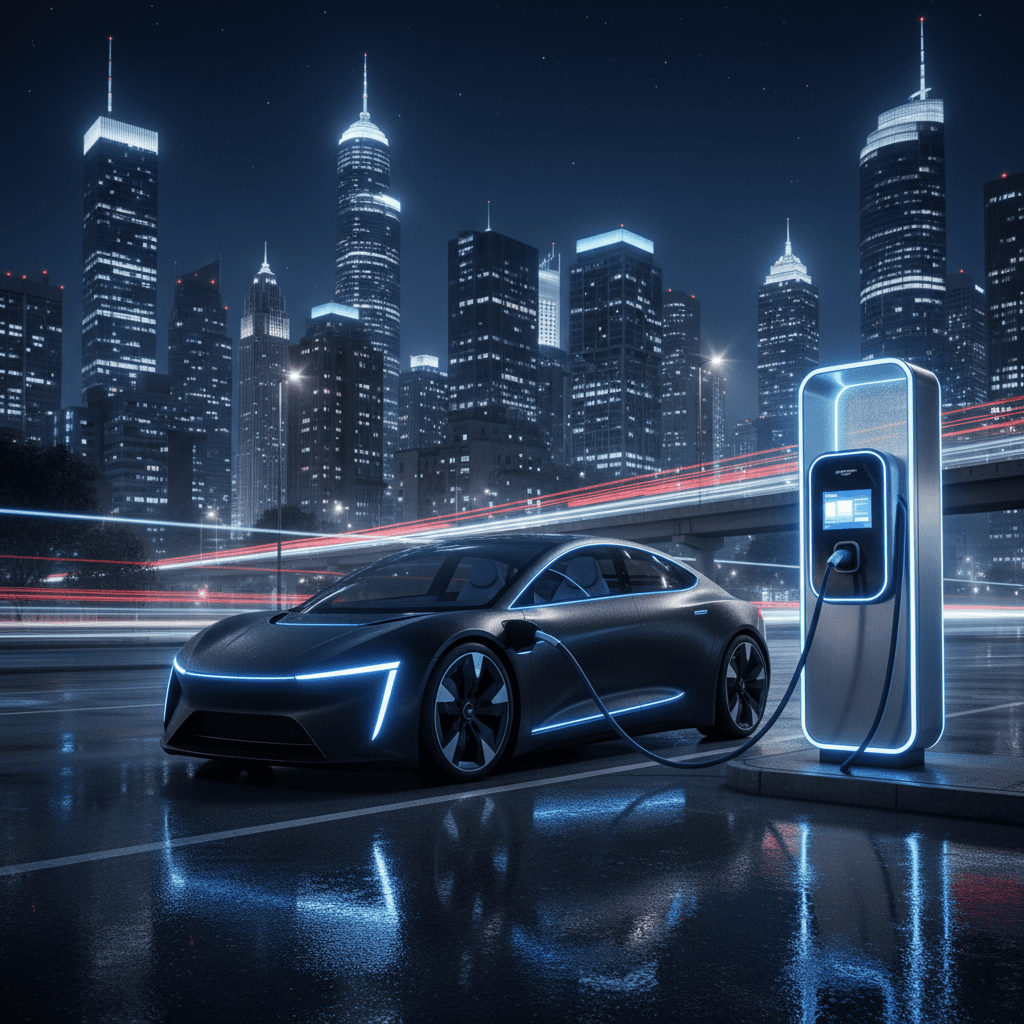
Uber Commits $100 Million to Build Robotaxi Fast-Charging Hubs Across Major US CitiesImage generated by Google Nano Banana (Gemini 2.5 Flash Image)

Uber announced today it will spend more than $100 million to build fast-charging infrastructure for autonomous vehicles across major US cities, the company's most direct investment yet in the physical backbone of the robotaxi economy. Construction will begin in the San Francisco Bay Area, Los Angeles, and Dallas — markets where Uber plans to launch public robotaxi services in partnership with autonomous vehicle companies.

Related / SpaceX Acquires xAI in $1.25 Trillion Merger to Build AI Data Centers in Space

The investment will fund approximately 1,000 new high-speed DC charging stations at fleet operation centers and strategic urban locations. Charging infrastructure partners include EVgo in New York, LA, San Francisco, and Boston; Hubber and Ionity in London; and Electra in Paris and Madrid — signaling that Uber's autonomous vehicle strategy extends well beyond the US.

The move is a direct response to competitive pressure from Waymo, which has built its own charging and operations infrastructure as it expands its robotaxi network. Uber's answer is not to build its own autonomous vehicles but to own the operational layer — charging hubs, fleet management, and the platform connecting riders to whichever AV partner is operating in a given market.

Uber expects autonomous vehicles to be available on its app in at least 10 cities by the end of 2026. Its AV partner roster includes Lucid Group, Nuro, and Volkswagen's autonomous van unit. By owning the charging hubs, Uber gains operational leverage over those partners — vehicles that charge on Uber's infrastructure are vehicles that stay on Uber's platform.

Uber's stock ticked up 2.9% on the announcement, though shares remain down 14% over the past month amid broader uncertainty about the company's long-term positioning in an autonomous future. Today's investment is a signal that Uber is betting on infrastructure ownership, rather than technology development, as its path to relevance in the driverless era.